
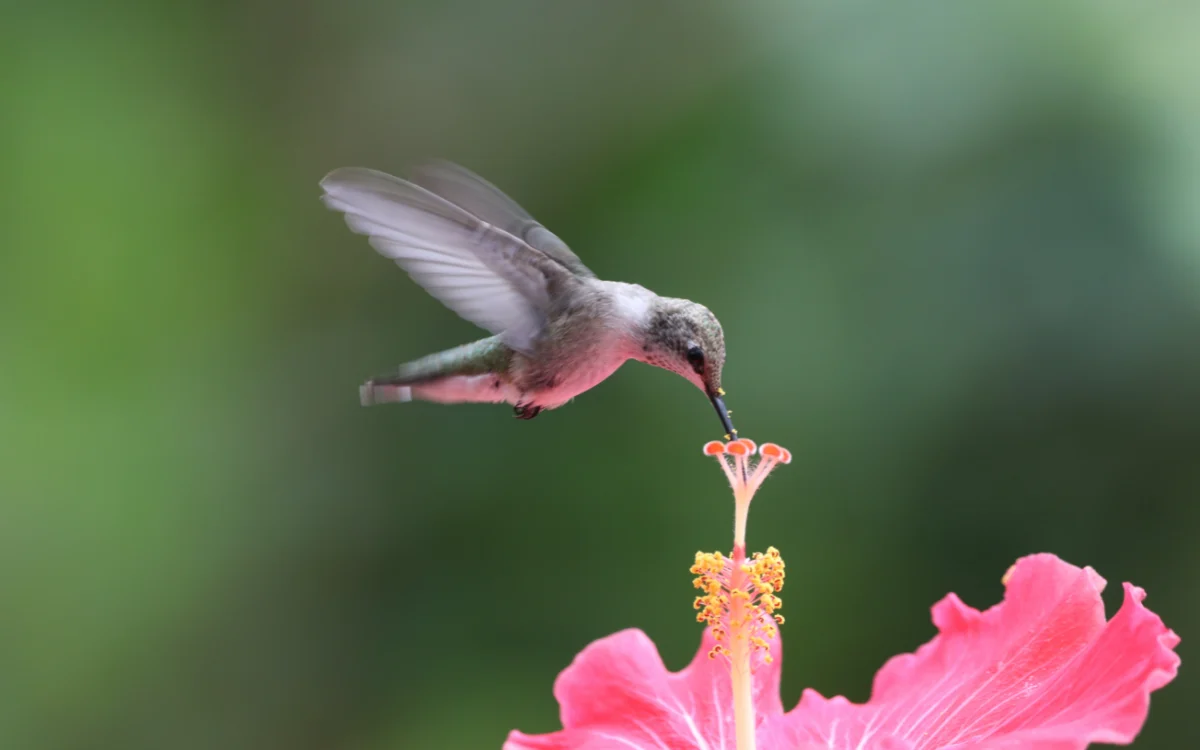
Hummingbirds are small birds with fast wings, bright feathers, and a lot of energy.
I like to think of them as tiny birds that never feel ordinary. One moment they hover near a flower. The next moment they rush across the yard like a flash of color.
Most people know hummingbirds for drinking nectar. But there is more to them than sugar water and pretty feathers.
They eat insects.
They migrate long distances.
They build tiny nests.
They also help flowers by moving pollen as they feed.
In this guide, I’ll walk through hummingbird facts, food, flight, species, nesting, migration, feeder tips, and simple ways to attract them to your yard.
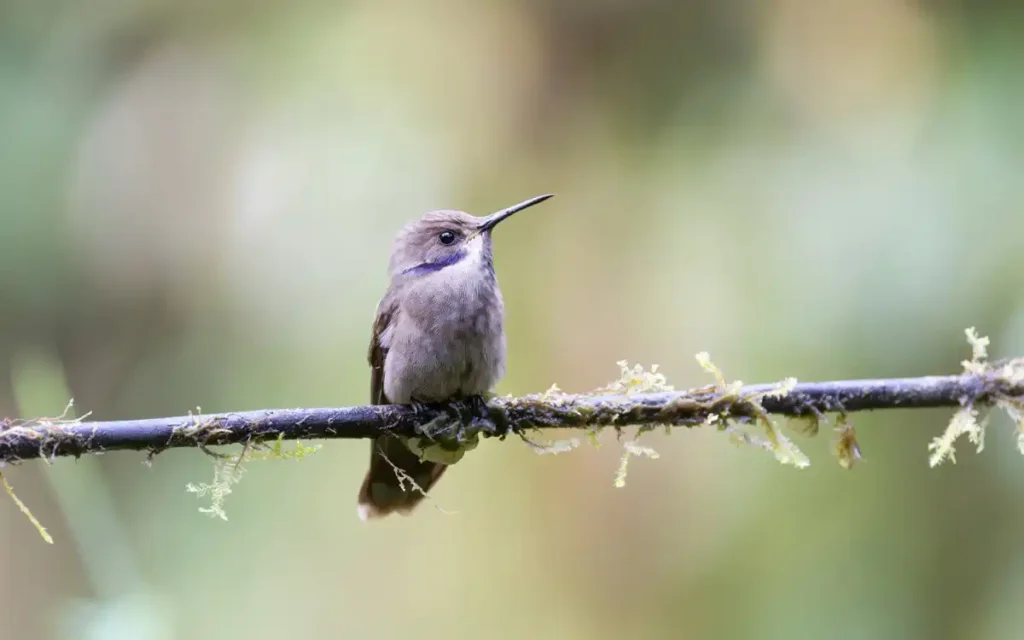
Quick Hummingbird Facts
| Topic | Simple Answer |
| Bird type | Small nectar-feeding bird |
| Main food | Nectar, insects, spiders, and sometimes tree sap |
| Special flight | Can hover and fly backward |
| Feeder mix | 1 part white sugar to 4 parts water |
| Best yard plants | Native nectar-rich flowers |
| Common U.S. species | Ruby-throated, Anna’s, Rufous, Black-chinned |
| Garden benefit | Pollination and insect control |
| Nest style | Tiny cup-shaped nest |
What Are Hummingbirds?
Hummingbirds are tiny birds known for hovering, fast wingbeats, and long bills.
They belong to a group of birds found only in the Americas. That means you can find them in North America, Central America, South America, and the Caribbean.
Their name comes from the soft humming sound their wings make when they fly.
I find that name perfect because you often hear them before you clearly see them.
They may look delicate, but they live very active lives. They fly many times a day to search for nectar, insects, safe perches, and nesting spots.
For more basic facts, you can also read this guide on hummingbirds facts.
Why Hummingbirds Are So Special
Hummingbirds are not like most backyard birds.
They do not just flap from branch to branch.
They hover.
They pause in the air.
They move backward.
They turn quickly.
They can feed from flowers while staying in one place.
That kind of flight takes a lot of energy. This is why hummingbirds need food often during the day.
They are small, but their bodies work hard.
What Do Hummingbirds Eat?
Hummingbirds mainly eat nectar from flowers.
Nectar gives them quick energy. They need that energy because they fly so much.
But nectar is not enough.
Hummingbirds also eat small insects and spiders. These foods give them protein. Protein matters a lot during nesting season because baby hummingbirds need it to grow.
Some hummingbirds may also feed from tree sap when it is available.
So, if I wanted to help hummingbirds in a yard, I would not only hang a feeder. I would also plant flowers and avoid spraying pesticides.
A good hummingbird space should offer nectar, insects, shelter, and clean feeding spots.
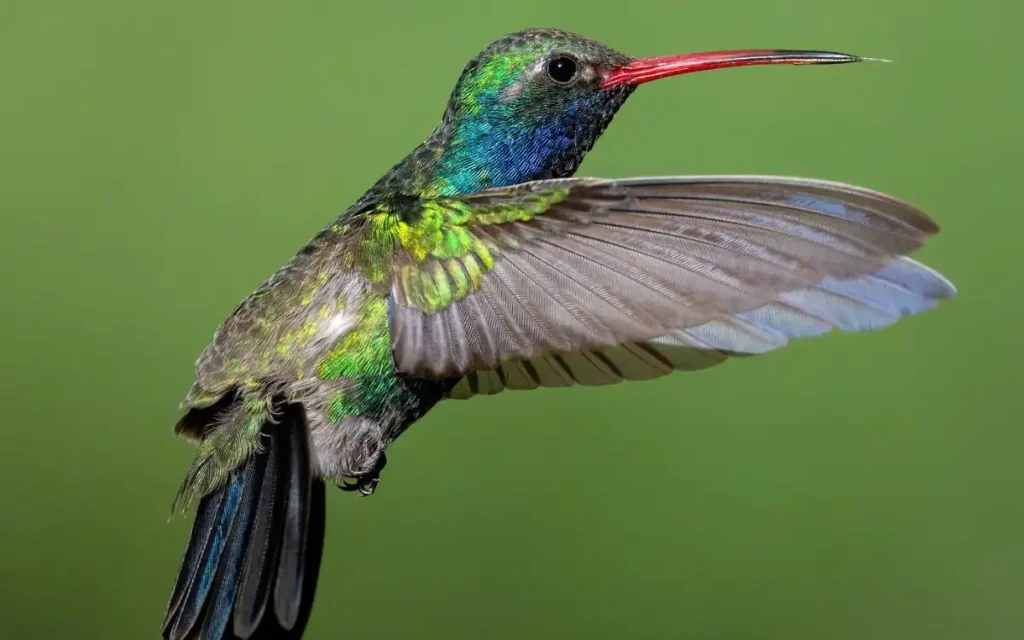
Safe Hummingbird Feeder Recipe
A hummingbird feeder can help, but only if you use it the right way.
The safest common nectar recipe is simple.
| Ingredient | Amount |
| White granulated sugar | 1 part |
| Water | 4 parts |
Mix the sugar and water until the sugar dissolves.
Let it cool if you heat the water.
Then fill the feeder.
Do not add red dye.
Do not use honey.
Do not use brown sugar.
Do not use artificial sweeteners.
The Smithsonian recommends a 1:4 sugar-to-water mix and says not to add red dye. It also recommends cleaning feeders often to prevent mold.
How Often Should I Clean a Hummingbird Feeder?
I would clean a hummingbird feeder often, especially in warm weather.
Old nectar can spoil.
Dirty feeders can grow mold.
If the nectar looks cloudy, smells bad, or has black spots around the feeder ports, change it right away.
In hot weather, it is better to replace nectar more often.
A clean feeder is much safer than a full feeder that has been sitting too long.
How to Attract Hummingbirds to Your Yard
If I wanted more hummingbirds in my yard, I would start with flowers.
Feeders help, but flowers make the yard feel more natural to them.
Native nectar-rich flowers are usually the best choice.
Good hummingbird plants include:
- Bee balm
- Cardinal flower
- Salvia
- Trumpet honeysuckle
- Columbine
- Penstemon
- Coral bells
Try to plant flowers that bloom at different times.
That way, hummingbirds have food for more of the season.
You can also add more than one feeder. Hummingbirds can be territorial, so placing feeders apart can reduce fighting.
They also need small trees, shrubs, or thin branches for resting.
Common Hummingbird Species in the United States
There are many hummingbird species, but some are more common in the United States.
| Species | Common Area | Easy ID Tip |
| Ruby-throated Hummingbird | Eastern United States | Male has a red throat |
| Anna’s Hummingbird | West Coast and Southwest | Male has pinkish-red head and throat |
| Rufous Hummingbird | Western migration route | Orange body tones |
| Black-chinned Hummingbird | West and Southwest | Dark throat with purple band |
| Broad-tailed Hummingbird | Mountain West | Wing trill sound |
| Calliope Hummingbird | Western mountains | Very small, streaked throat |
| Costa’s Hummingbird | Desert Southwest | Purple crown and throat |
| Allen’s Hummingbird | California coast | Orange sides with green back |
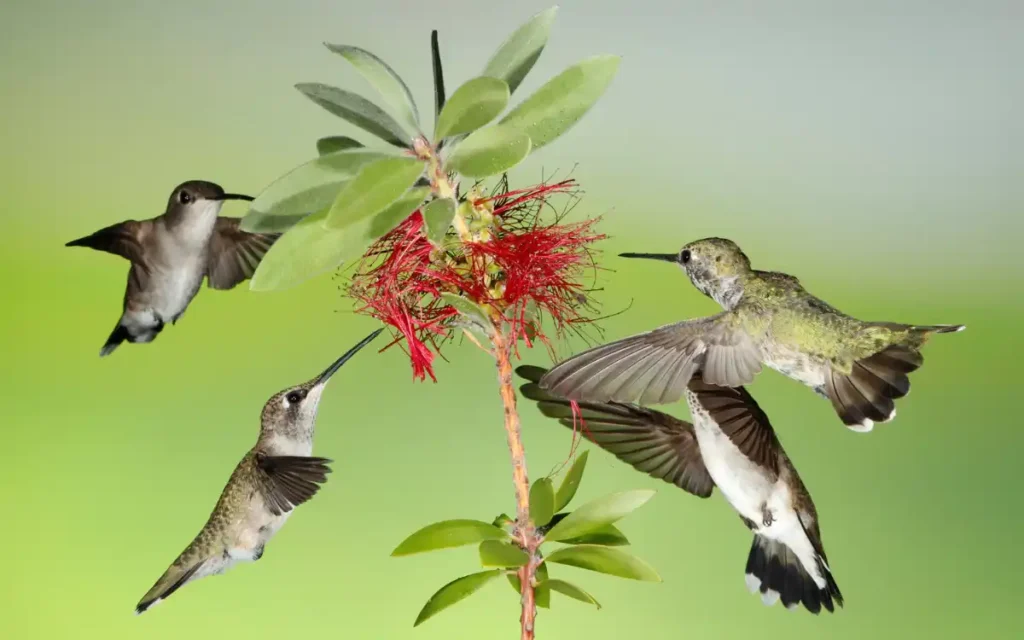
If you want a deeper species list, read this guide on hummingbird species in the United States.
Where Do Hummingbirds Live?
Hummingbirds live in many kinds of places.
You can find them in forests, meadows, mountains, deserts, gardens, and backyard spaces.
Some species prefer warm regions.
Some live in mountain areas.
Some pass through yards during migration.
They usually look for places with food and shelter. A yard with flowers, insects, shrubs, and clean feeders can become a good stop for them.
Hummingbird Migration
Many hummingbirds migrate.
They move between breeding areas and wintering areas as the seasons change.
Not every hummingbird species migrates the same way. Some travel long distances. Some stay in the same general region if food and weather allow it.
Before migration, hummingbirds feed heavily.
They need stored energy for the trip.
One common myth says feeders stop hummingbirds from migrating. I would not worry about that. Migration is guided by natural signals, not just one feeder in a yard.
You can leave feeders up during migration as long as you keep them clean.
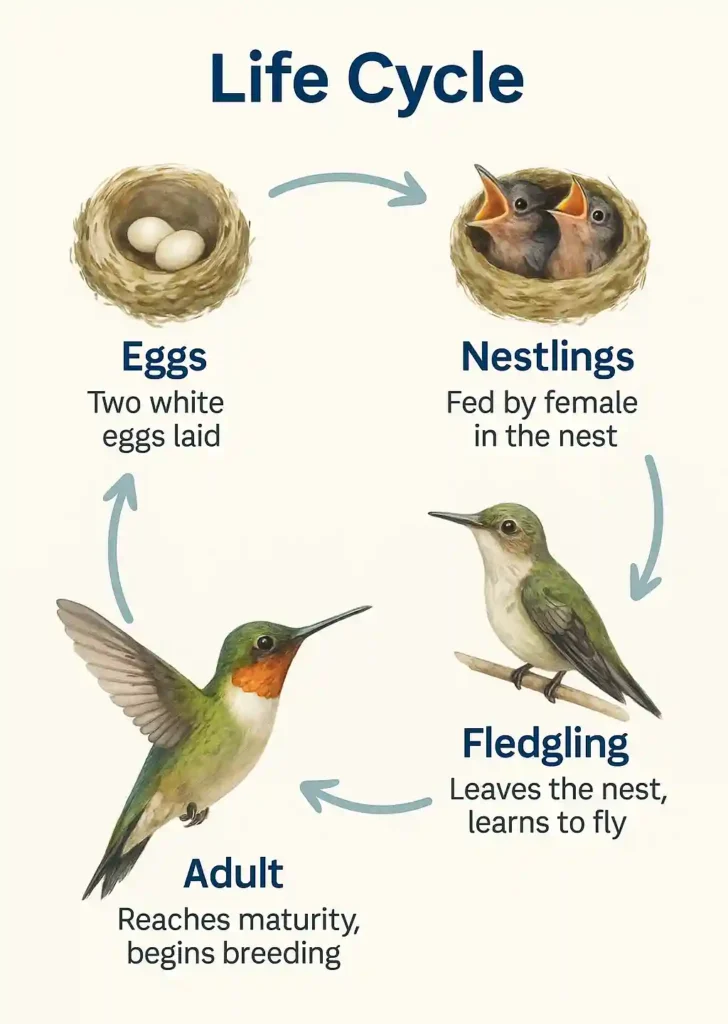
Hummingbird Nesting
Hummingbird nests are tiny.
The female usually builds the nest by herself. She may use plant fibers, soft material, and spider silk.
Spider silk helps the nest stretch as the baby birds grow.
Most hummingbirds lay two tiny eggs.
The eggs are very small, often compared to small beans.
Baby hummingbirds need protein, so the mother feeds them more than nectar. She also brings tiny insects.
This is another reason pesticide-free yards matter.
Hummingbird Behavior
Hummingbirds can seem sweet one moment and bossy the next.
They often chase each other around feeders and flowers.
This happens because they defend good food sources.
A feeder full of nectar is valuable to them. A patch of flowers is valuable too.
So one hummingbird may try to guard the area.
You may also see a hummingbird hover near your face or clothing. Sometimes they check bright colors because those colors remind them of flowers.
They are curious birds, but they are still wild birds.
Hummingbird Colors
Hummingbird colors can look different depending on the light.
A male may look dull from one angle and bright from another angle.
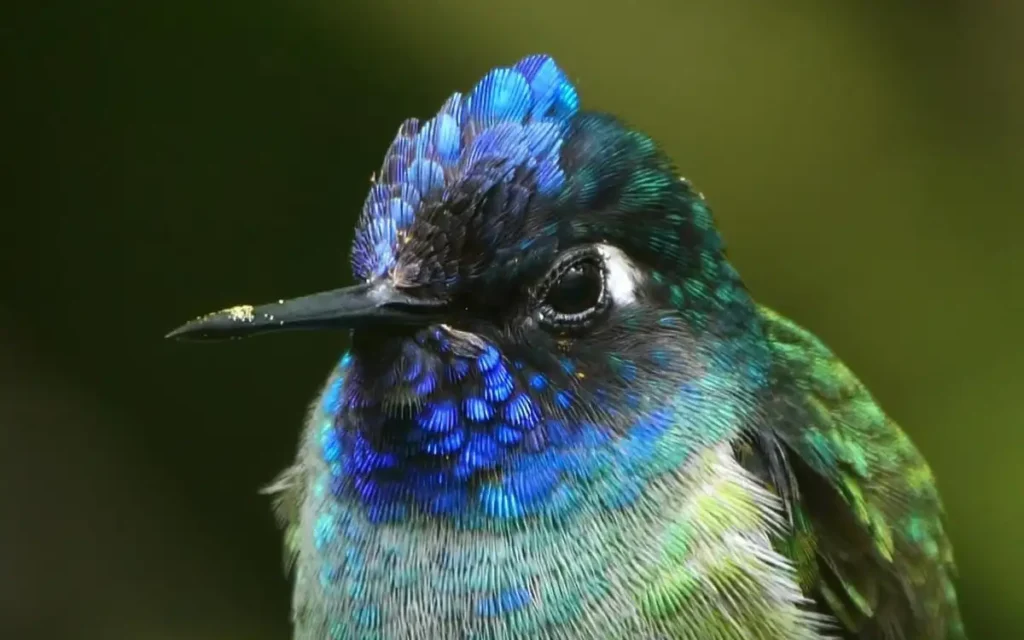
This happens because many hummingbird feathers are iridescent. The color changes as light hits the feathers.
Male hummingbirds are often brighter than females.
Females and young birds can be harder to identify.
When I try to identify a hummingbird, I do not only look at color. I also look at location, shape, bill length, tail shape, and behavior.
Hummingbird Meaning and Symbolism
Many people connect hummingbirds with joy, hope, energy, healing, and lightness.
I understand why.
They are small, fast, and full of movement. They often appear for only a moment, but that moment can feel special.
Some people see a hummingbird after a hard time and take it as a sign of comfort.
From a birding point of view, seeing a hummingbird usually means your area has nectar, insects, flowers, or feeders that attract them.
For a deeper meaning-based article, read this guide on hummingbird spiritual meaning.
Are Hummingbirds Good for Gardens?
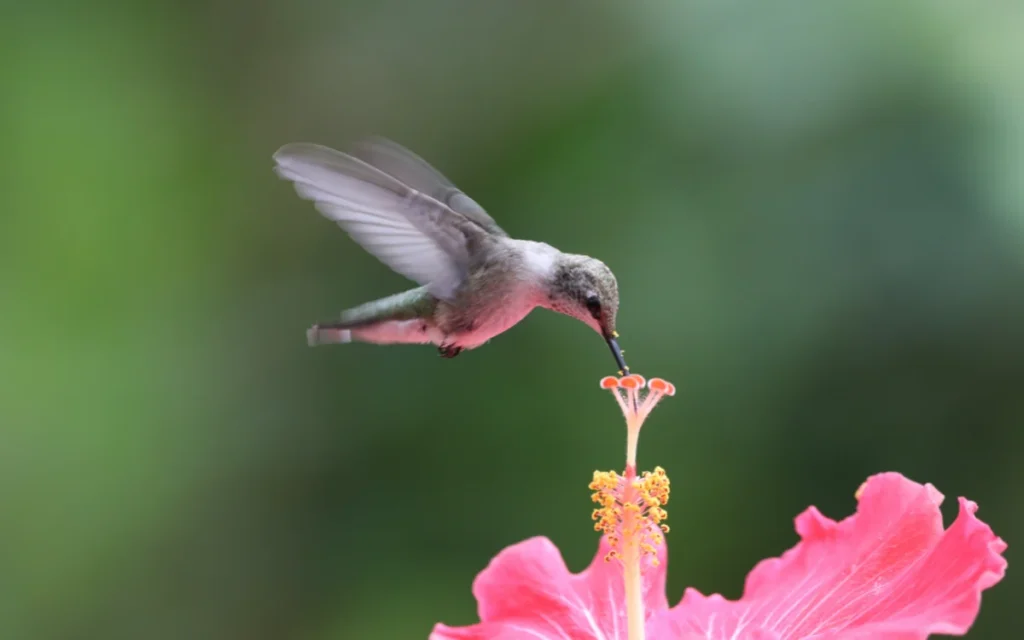
Yes, hummingbirds are good for gardens.
They visit flowers for nectar. While they feed, pollen can move from flower to flower.
This helps with pollination.
They also eat small insects and spiders.
A hummingbird-friendly garden usually becomes healthier because it uses more flowers, fewer chemicals, and more natural shelter.
That helps more than hummingbirds.
It can help bees, butterflies, and other birds too.
Common Hummingbird Problems and Fixes
| Problem | Why It Happens | What I Would Do |
| No hummingbirds visit | Not enough flowers or poor feeder placement | Add native flowers and move feeder near shelter |
| Ants on feeder | Ants found the nectar | Use an ant moat |
| Bees near feeder | Leaks or feeder design | Clean leaks and avoid yellow feeder parts |
| Cloudy nectar | Old nectar or heat | Replace nectar and clean feeder |
| Birds fighting | Territory behavior | Add more feeders far apart |
| Mold in feeder | Dirty or old feeder | Clean more often |
Hummingbird Myths
Myth 1: Hummingbirds only eat nectar
This is false.
They eat nectar, but they also eat insects and spiders.
Myth 2: Red dye is needed
This is false.
A red feeder is enough. Red dye is not needed.
Myth 3: Feeders stop migration
This is false.
Clean feeders can help birds refuel, especially during migration.
Myth 4: Hummingbirds never rest
This is false.
They perch often between feeding trips.
How to Help Hummingbirds
I would help hummingbirds in simple ways.
Plant native flowers.
Keep feeders clean.
Avoid pesticides.
Add shrubs and small trees.
Give them safe places to perch.
Keep cats away from feeding and nesting areas.
You do not need a huge garden. Even a small space can help if it offers food, shelter, and safety.
FAQs
What do hummingbirds eat?
Hummingbirds eat nectar, small insects, spiders, and sometimes tree sap. Nectar gives them energy, while insects give them protein.
What is the best hummingbird feeder recipe?
The best simple recipe is 1 part white sugar and 4 parts water. Do not add red dye, honey, brown sugar, or sweeteners.
How do I attract hummingbirds fast?
Start with native nectar flowers and a clean feeder. Place the feeder near shelter but not too hidden.
Do hummingbirds migrate?
Many hummingbirds migrate, but not all species migrate the same way. Some travel long distances, while others stay in one region.
Why do hummingbirds fight?
They fight because they defend food sources like feeders and flower patches.
Do hummingbirds sleep?
Yes, hummingbirds sleep. They may also enter a low-energy state called torpor when they need to save energy.
Are hummingbirds friendly?
Hummingbirds are wild birds. Some may become used to regular feeders, but they should not be handled.
What does seeing a hummingbird mean?
Many people see hummingbirds as signs of joy, hope, and healing. In nature, it usually means food sources are nearby.
