15 Finch Facts Every Bird Lover Should Know
Finches are small, colourful songbirds that have captured the attention of birdwatchers, spiritual seekers, and even scientists. Found in a variety of habitats around the world, they offer far more than just beauty-they represent evolutionary breakthroughs, symbolic meaning, and fascinating behaviours.
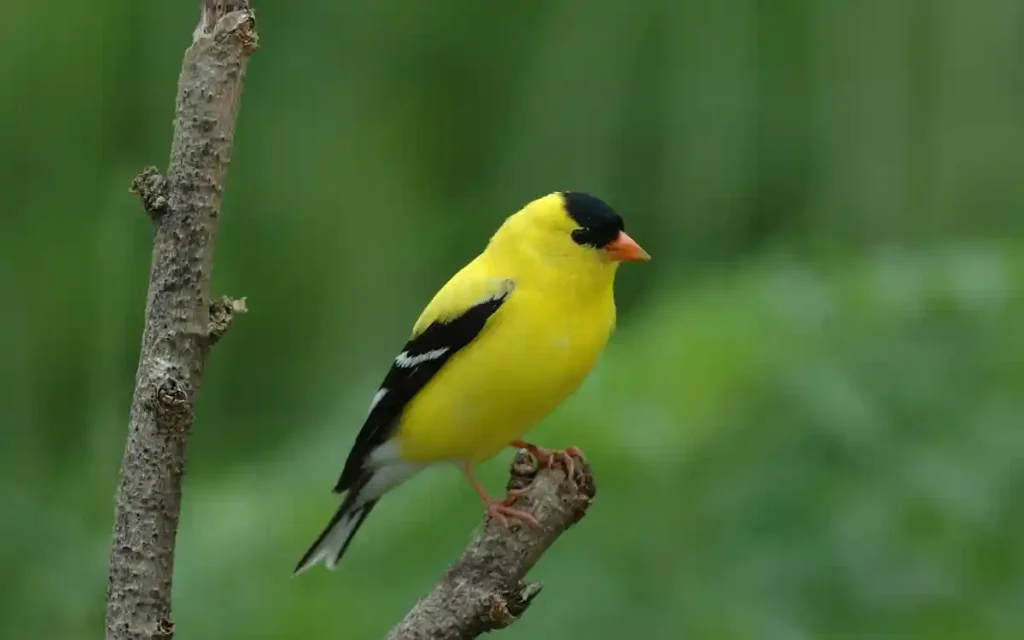
Let’s explore 15 amazing finch facts
1. Finches Belong to a Large Bird Family
Finches are part of the Fringillidae family, which includes over 230 species. These birds are found across the globe and come in a wide range of colors and sizes, including the popular American goldfinch, zebra finch, and purple finch.
2. They’re Evolutionary Icons
Charles Darwin’s observations of finches in the Galápagos Islands led to major scientific breakthroughs. He noticed differences in their beak shapes depending on what they ate, helping him shape the theory of natural selection. If you’re interested in more about these unique birds.
3. Finches Symbolize Joy and Positive Energy
Across many cultures and spiritual practices, finches represent joy, optimism, and self-expression. Their light presence is often seen as a message to enjoy the moment and stay true to yourself. If you’re into spirit animal guides, you’ll love learning more about the spiritual meaning of finches.
4. They’re Natural Singers
Finches are known for their melodious songs. Males sing to attract mates or defend territory, and some species have remarkably complex vocalizations.
5. They Can Be Found Worldwide
From North American backyards to tropical forests, finches thrive in diverse climates. They’ve even adapted to cities, parks, and suburban gardens.
6. They Prefer Seeds (But Not Only Seeds)
Finches are primarily granivorous, meaning they eat seeds. Their strong, cone-shaped beaks are built to crack hard shells. However, during nesting season, many species add insects for extra protein.
7. Finches Are Highly Social
Most finches flock together outside the breeding season. This social behavior offers protection and makes it easier to find food. You’ll often see them in bird feeders or bushes, hopping in groups.
8. Some Species Learn by Imitation
Zebra finches, often studied in labs, are known for learning sounds and songs through imitation. Their vocal learning process is similar to human language development, making them a favorite in neuroscience.
9. They’re Bright and Colorful
Finch species come in a spectrum of hues-yellows, reds, oranges, and even zebra stripes. This makes them one of the most eye-catching birds for backyard spotting or photography.
10. They Build Cozy Nests
Finches weave nests from twigs, grass, feathers, and even string. These nests are usually placed in trees, shrubs, or man-made structures. If you’re planning a bird-friendly yard, see how to attract finches with the right food and nesting environment.
11. They’re Seasonal Mates
While finches don’t typically mate for life, they often form strong seasonal bonds. After the breeding season, they part ways and may choose different mates the next year.
12. Some Species Are at Risk
Habitat destruction and climate change have pushed some finch populations-especially those on islands-into endangered status. Conservation efforts are now key to preserving their diversity.
13. They Help with Seed Dispersal
Finches support local ecosystems by spreading seeds as they eat. In doing so, they encourage plant diversity and help maintain healthy landscapes.
14. They’re Easy to Attract to Gardens
Finches love sunflower seeds, nyjer (thistle) seeds, and clean water. They’re also drawn to native plants and shrubs, especially those with dense foliage for nesting.
15. Finches Are Featured in Cultural Symbolism
From literature to folklore, finches often appear as symbols of freedom, creativity, and spiritual growth. You’ll find these birds play a role in the symbolism of many different bird species, much like the canary’s deeper meaning in spiritual traditions.
Final Thoughts
From scientific importance to spiritual symbolism, finches are small birds with a huge impact. Whether you’re observing them in your backyard or learning about their role in evolution, there’s always something new to discover.
Next time you hear a cheerful chirp in your garden, take a moment-you might be in the presence of something truly magical.