21 Wildlife Facts on Wrens
Wrens are small songbirds known for their loud voices, bold behavior, and strong survival instincts. Found in gardens, forests, and wetlands, these energetic birds play an important role in wildlife ecosystems by controlling insect populations and defending nesting territories.
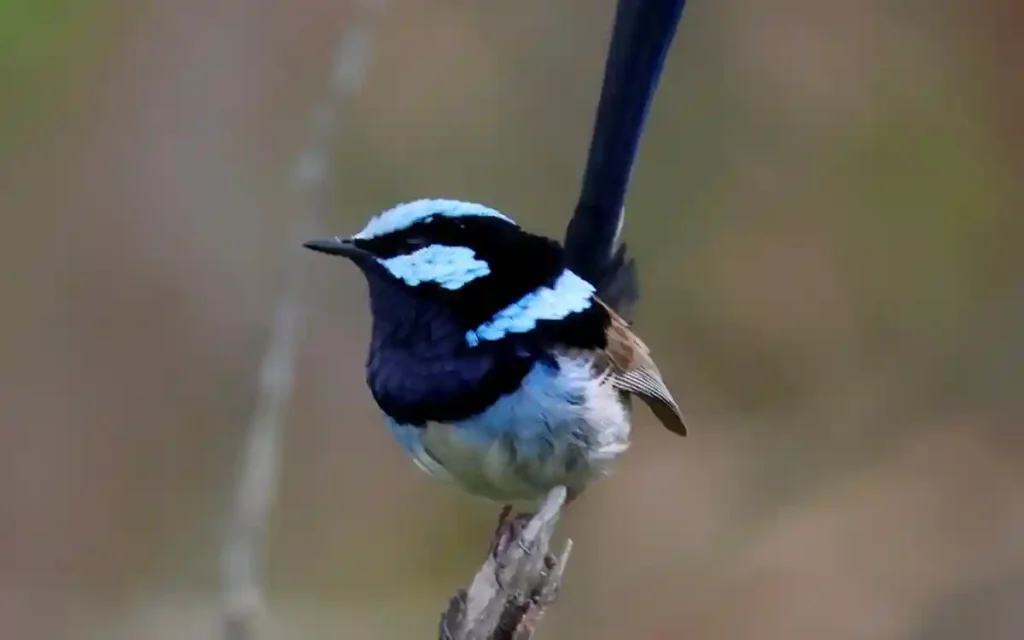
Despite their tiny size, wrens show remarkable determination, making them one of the most fascinating birds to observe in the wild. If you enjoy learning about wildlife birds that survive through attitude and adaptability rather than size, wrens are a perfect example.
Here are 21 wildlife facts about wrens that show why these little birds deserve far more attention than they usually get.
1. Wrens Are Tiny but Tough
Most wrens measure only 3 to 5 inches long. Even so, they handle harsh weather, predators, and competition with impressive confidence. Size never stops a wren from standing its ground.
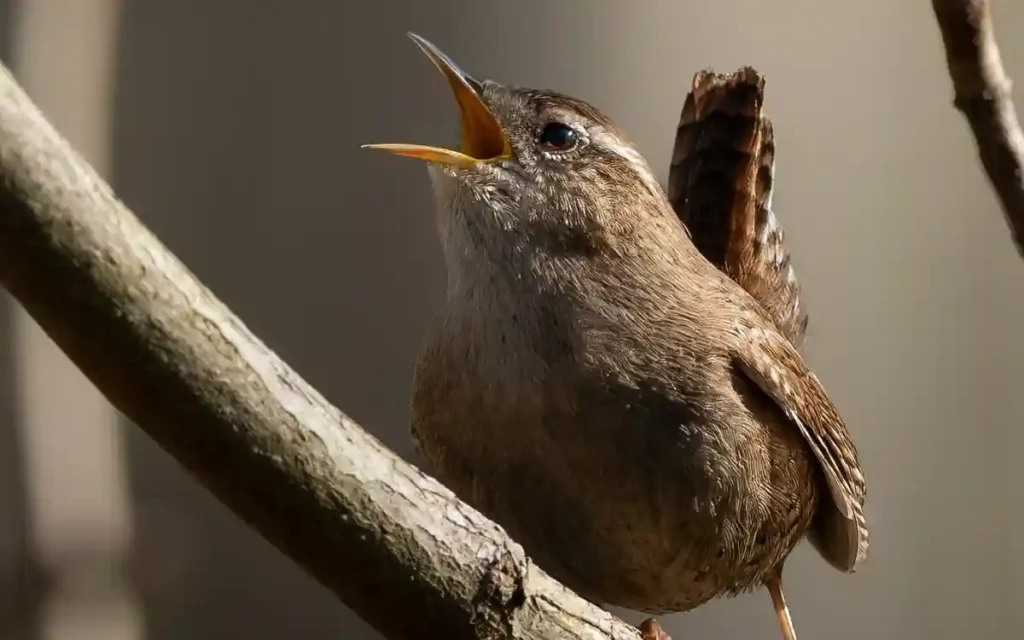
2. Their Songs Sound Bigger Than They Are
Wrens are famous for loud, fast songs that echo through gardens and forests. Many people are surprised to discover such powerful sounds coming from such a small bird.
Why it matters: Singing helps wrens defend territory and attract mates.
3. Wrens Live in Many Different Places
Wrens are highly adaptable. You can find them in woodlands, backyards, wetlands, deserts, and even busy towns.
| Habitat | Do Wrens Live Here? |
| Forests | Yes |
| Gardens | Yes |
| Wetlands | Some species |
| Deserts | Limited areas |
4. They Are Extremely Territorial
Wrens do not back down easily. They will chase away birds much larger than themselves if they come too close to a nest or feeding area.
5. Male Wrens Build Multiple Nests
Before a female chooses a nest, the male may build several. These extra nests can distract predators or offer alternatives if one site becomes unsafe.
6. Wrens Choose Strange Nesting Spots
Wrens often nest in unexpected places like old boots, mailboxes, flower pots, or sheds. Any small, sheltered space can become home.
7. Insects Make Up Most of Their Diet
Wrens mainly eat beetles, spiders, caterpillars, ants, and other small insects. This makes them helpful birds to have around gardens.
Fun fact: Wrens eat nearly nonstop during daylight hours.
8. Wrens Have Bold Personalities
Tail flicking, scolding calls, and constant movement are typical wren behaviors. They seem curious and alert at all times.
9. Some Wrens Migrate
Not all wrens migrate. Northern populations often move south during winter, while others stay in the same area year-round.
10. Singing Is a Survival Skill
Wrens use song to warn rivals, claim territory, and signal strength. A strong voice often means a better chance of holding a good nesting spot.
11. Wrens Reduce Competition
Some wrens remove eggs from nearby nests of other birds. This behavior may seem harsh, but it helps reduce competition for food and space.
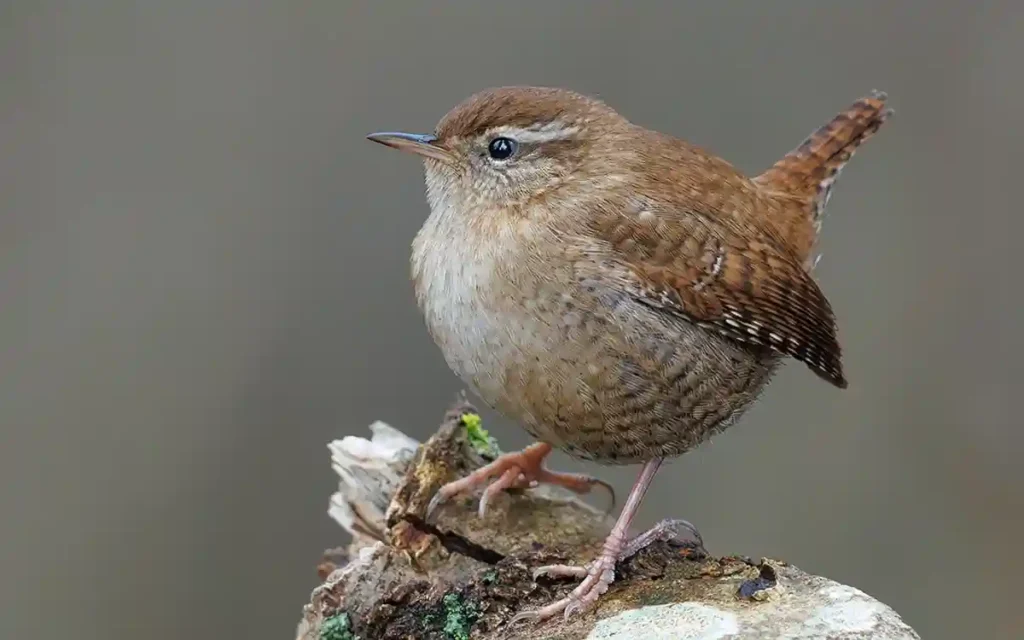
12. Their Feathers Blend Perfectly
Most wrens have brown or streaked feathers that match bark, leaves, and branches. This camouflage helps them avoid predators.
13. Wrens Can Raise More Than One Brood
In warm climates with plenty of food, wrens may raise two or even three broods in a single breeding season.
14. Both Parents Feed the Chicks
Wren parents work together, making frequent trips to the nest with insects. The chicks grow quickly and leave the nest in about two weeks.
15. Wrens Communicate Constantly
Beyond singing, wrens use short calls and body movements to stay in touch with mates and warn of danger.
16. Cold Weather Is a Serious Threat
Wrens struggle during harsh winters. Many die when food becomes scarce or temperatures drop too low.
Helpful tip: Dense shrubs and brush piles offer shelter in cold weather.
17. Wrens Help Maintain Balance in Nature
By controlling insect populations and serving as prey for larger animals, wrens play a steady role in local ecosystems.
18. Wrens Often Return Each Year
If a wren finds a good location, it often comes back to the same area year after year, even if it builds a new nest.
19. Their Lives Are Short but Busy
Most wrens live only 2 to 5 years in the wild. During that time, they are almost always active, singing, feeding, or nesting.
20. Human Spaces Can Help Wrens
Backyards with native plants, birdhouses, and no pesticides provide excellent conditions for wrens to thrive.
If you enjoy learning about other small but energetic birds, you may also like our detailed guide on Hummingbirds Facts, which explains how these tiny birds survive with speed and precision.
21. Wrens Often Symbolize Determination
Across cultures, wrens are linked with persistence, awareness, and courage. Their fearless behavior has inspired stories and symbolism for centuries.
You’ll notice similar themes when reading about sparrows, another small bird known for resilience.
FAQs About Wrens
Are wrens aggressive birds?
Wrens are protective rather than aggressive. Their behavior is focused on defending nests and territory.
Do wrens live in gardens?
Yes. Gardens with shrubs, insects, and shelter are ideal for wrens.
What attracts wrens?
Dense plants, natural insects, fresh water, and small nesting spaces.
Do wrens sing all year?
They sing most during breeding season but may still vocalize at other times.
Are wrens protected wildlife birds?
Yes. Wrens are protected in many countries, and disturbing nests is illegal.
Conclusion
Wrens may be small, but their impact on wildlife is anything but minor. From powerful songs to fearless defense of their nests, these birds show how adaptability and determination support survival.
Learning about wrens helps us better understand how even the smallest creatures contribute to healthy ecosystems.