
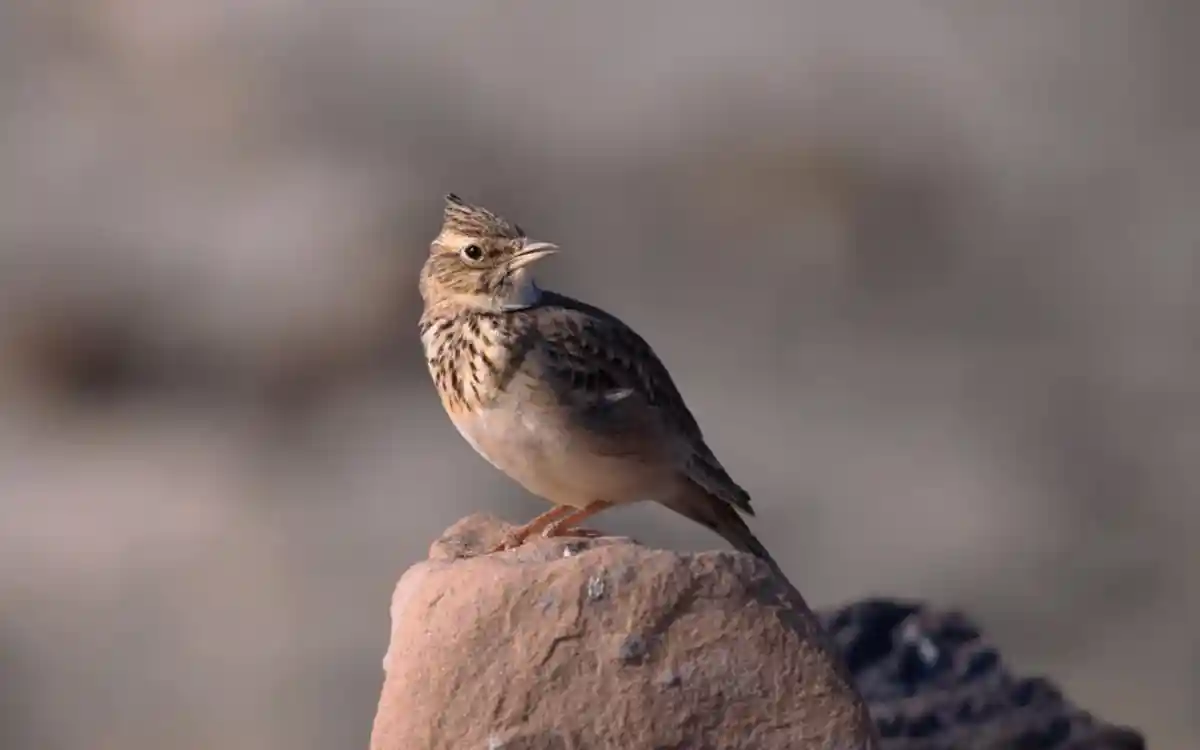
Larks are small birds that often surprise people. You may not notice them at first, but their songs fill wide open spaces like fields and meadows.
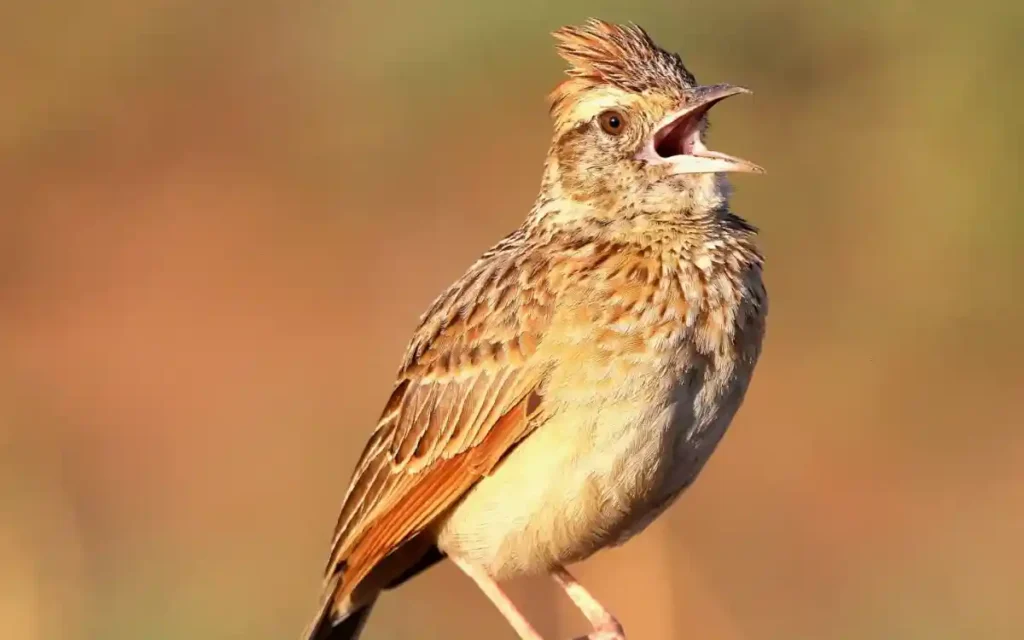
This article is written in a teacher-friendly, easy-to-read style, making it suitable for school lessons, reading practice, or quiet nature study. Each fact is short, clear, and designed to help children learn without feeling overwhelmed.
What Is a Lark?
A lark is a small songbird that lives mostly in open countryside. Instead of forests or busy towns, these birds prefer wide areas where they can walk on the ground and fly freely. One well-known type is the Skylark, which is famous for singing while flying high in the sky.
25 Clear and Simple Lark Facts
- Larks are songbirds, meaning they are known for their strong and musical calls.
- Some species sing while flying instead of sitting on a branch.
- Their songs can be heard from far away, even when the bird cannot be seen.
- Open land such as fields and grasslands is their favorite place to live.
- Most are small, about the size of a sparrow.
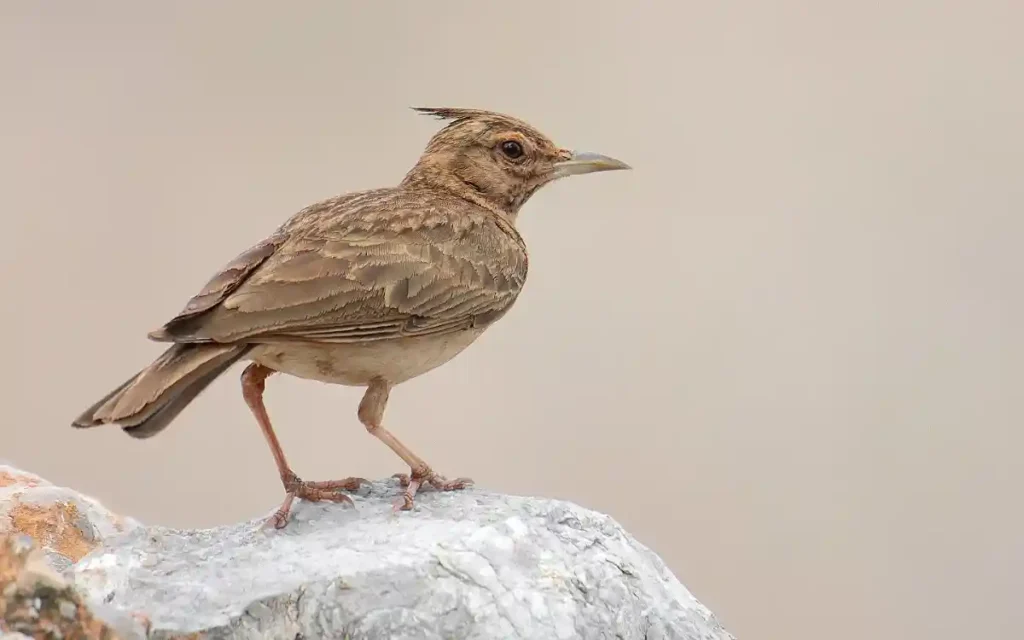
- Their brown or sandy feathers help them blend into the ground.
- They spend much of their time walking or hopping instead of perching in trees.
- Nests are built on the ground, usually hidden in tall grass.
- The eggs often have small spots that help them stay camouflaged.
- A typical nest holds three to five eggs.
- Baby birds are called chicks and depend on their parents for food.
- Seeds make up a large part of their diet.
- Insects such as beetles and ants are also eaten.
- By eating insects, these birds help farmers protect crops.
- They are active during daylight hours.
- Strong legs help them move easily across open land.
- Some can fly very high, appearing as tiny dots in the sky.
- Songs may last several minutes without stopping.
- Singing helps them communicate and find a mate.
- Certain species travel to warmer areas during colder seasons.
- These birds live in many parts of the world, including Europe, Asia, and Africa.
- They are shy and usually avoid people.
- Early morning is a common time for singing.
- Writers and poets often mention them because of their beautiful songs.
- Many cultures link them with happiness and new beginnings.
Quick Facts
| Topic | Simple Answer |
| Size | Small |
| Habitat | Open fields and grasslands |
| Nest location | On the ground |
| Food | Seeds and insects |
| Known for | Singing while flying |
Why This Bird Is Good for Learning
In my opinion, this bird works very well in classroom lessons because it helps children understand how animals adapt to their environment. Living on the ground, blending in with nature, and using song to communicate are all useful examples of survival skills in the wild.
FAQs
Do these birds live near houses?
They usually stay away from towns and cities and prefer quiet open areas.
Can they be kept as pets?
No. They are wild birds and should live freely in nature.
Are they dangerous?
No. They are gentle birds and avoid conflict.
Why do they sing so much?
Singing helps them communicate and attract a mate.
Final Notes
This bird may be small, but it offers big learning opportunities. From sound and movement to habitats and food chains, it fits well into science lessons and nature discussions. Listening for its song is often the best way to notice it in the wild.
