
Sparrows and wrens are easy to confuse because both can be small, brown, active backyard birds. You may see one near shrubs, fences, feeders, brush piles, or garden edges and wonder whether it is a sparrow or a wren.
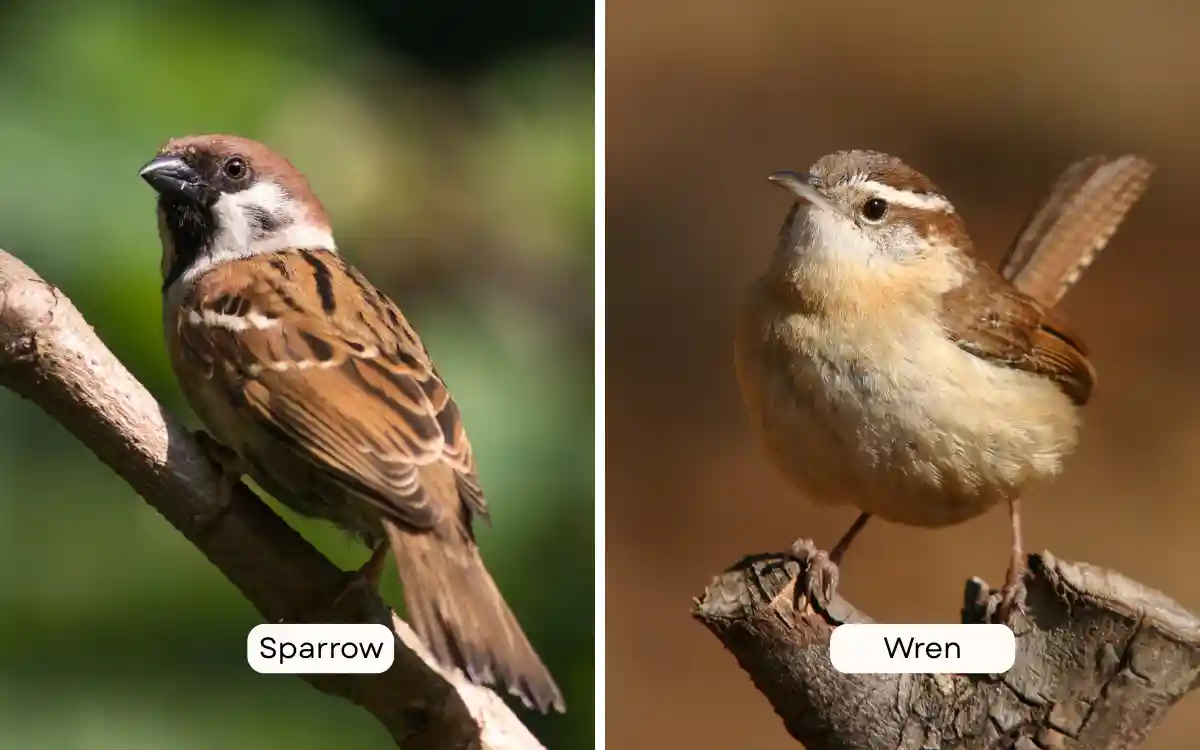
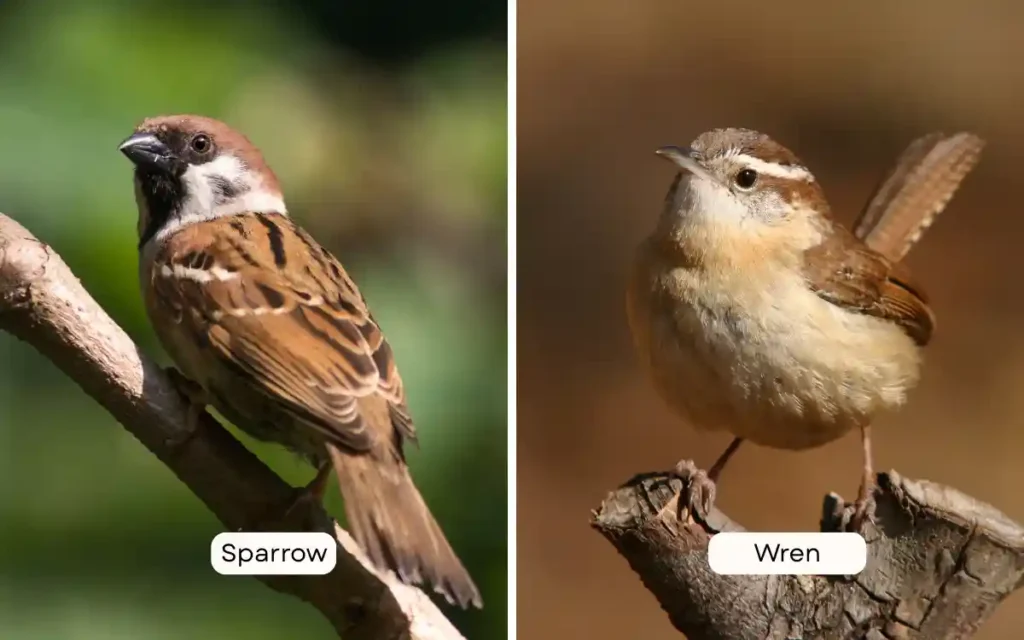
The fastest way to tell them apart is this: sparrows usually have short, thick seed-cracking bills and a more patterned brown look, while wrens usually have thinner curved bills, cocked tails, louder songs, and a habit of slipping through brush and crevices.
A House Sparrow is chunky with a rounded head, stout bill, and shorter tail. A House Wren is smaller and compact, with a fairly long curved bill and a tail often held cocked above the body.
Quick Difference Table
| Feature | Sparrow | Wren |
| Bill shape | Short, thick, seed-cracking | Thin, longer, often slightly curved |
| Tail | Usually straight or moderate | Often cocked upward |
| Color | Brown, tan, gray, streaky, patterned | Brown or reddish-brown, often barred |
| Behavior | Ground feeding, seed eating, hopping | Creeping through brush, probing cracks |
| Food | Seeds, grains, insects | Insects, spiders, small bugs |
| Song | Chirps, trills, simple notes | Loud, rich, often complex |
| Habitat | Lawns, fields, feeders, buildings, brush | Shrubs, brush piles, woodpiles, dense cover |
| Best clue | Thick bill and ground feeding | Cocked tail and thin curved bill |
Sparrow
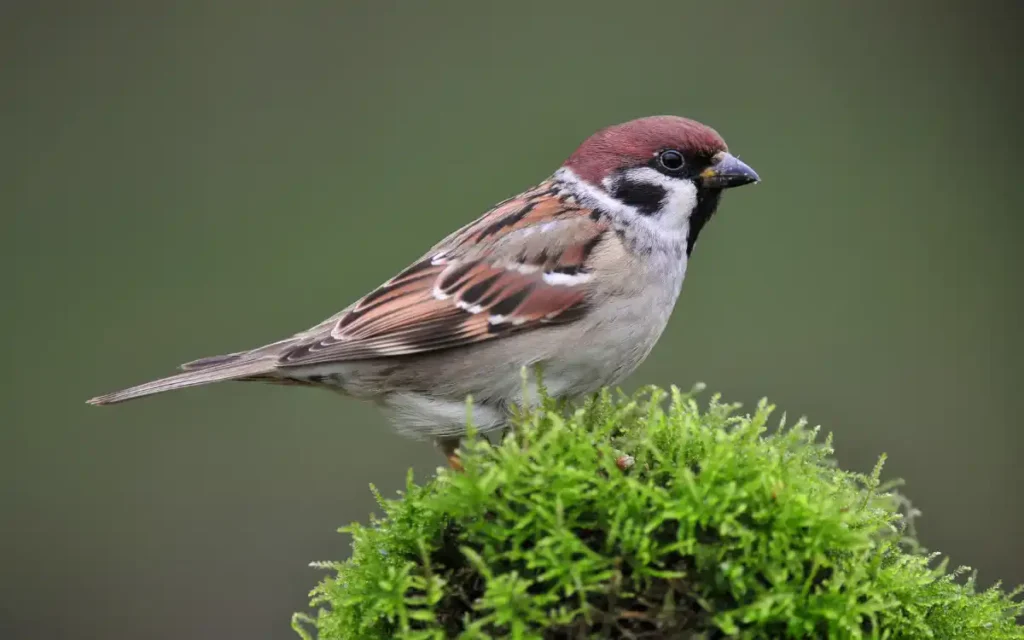
Quick ID: Small brown or gray-brown bird with a stout bill, patterned feathers, and ground-feeding behavior.
What It Looks Like:
Sparrows are usually brown, tan, gray, or buff, often with streaks, stripes, or face markings. House Sparrows are chunkier than many native sparrows, with a rounded head, full chest, shorter tail, and stout bill. Male House Sparrows have a gray crown, white cheeks, chestnut neck, and black bib.
Where You’ll Find It:
Look for sparrows around yards, feeders, sidewalks, farms, grasslands, brushy fields, hedges, parking lots, and buildings. House Sparrows especially stay close to people and are common around homes, stores, outdoor eating areas, and city streets.
Behavior Clues:
Sparrows often feed on the ground or under feeders. They hop around, pick up seeds, scratch lightly in soil or leaf litter, and move in small groups. Many stay low in grass, weeds, or shrubs.
How to Tell It Apart:
Compared with a wren, a sparrow usually has a thicker bill and a more seed-eating look. It often appears more patterned, with streaks or head markings, while many wrens look plainer brown with a cocked tail.
Best Time to See:
Many sparrows are visible year-round, depending on species and region. Winter can bring more sparrows into yards, fields, and feeder areas.
Backyard Tip:
Leave native grasses, seed heads, low shrubs, and some leaf litter. Sparrows like cover and ground-level food.
Related article:
Wren
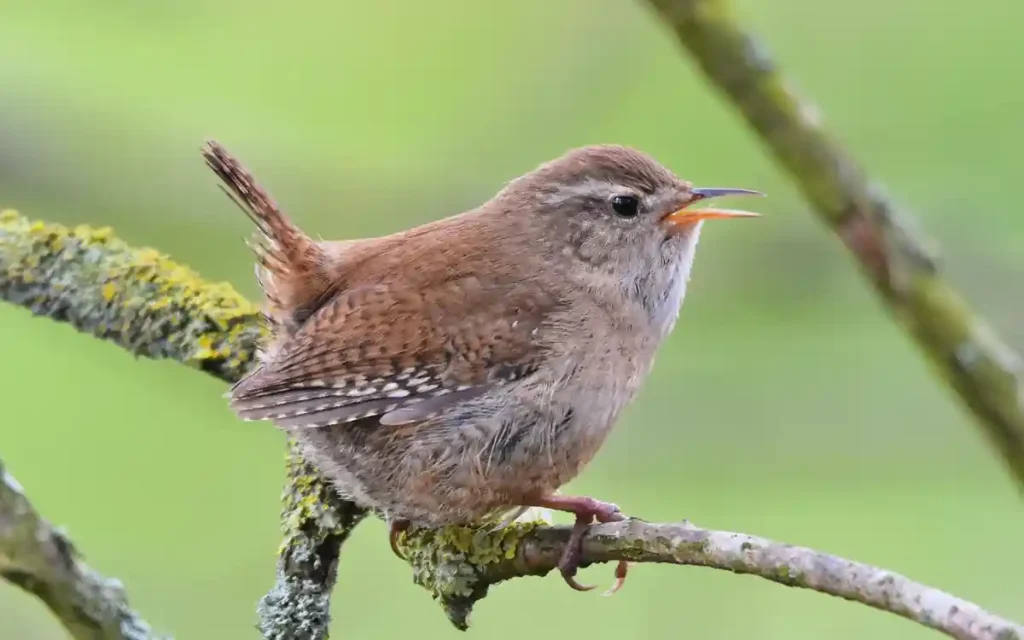
Quick ID: Small brown bird with a thin curved bill, active movement, and a tail often held upright.
What It Looks Like:
Wrens are usually small brown or reddish-brown birds. Many have barred wings or tails, a thin bill, and a tail that may be cocked upward. House Wrens are small and compact with a flat head, fairly long curved bill, and a tail often held cocked or slightly drooped. They are subdued brown overall with darker barring on the wings and tail.
Where You’ll Find It:
Look for wrens in brush piles, shrubs, garden edges, woodpiles, thickets, vines, woodland edges, and around nest boxes. Carolina Wrens are common around wooded yards, porches, sheds, and dense cover.
Behavior Clues:
Wrens are busy and restless. They slip through tangles, inspect cracks, hop around logs, and probe bark or leaves for insects. They often sing loudly from hidden spots.
How to Tell It Apart:
Compared with a sparrow, a wren usually has a thinner, more curved bill and a more upright tail posture. Wrens also tend to sound louder and richer than their small size suggests.
Best Time to See:
Wrens can be seen year-round in many areas, depending on species and range. Spring and summer are especially good because males sing often.
Backyard Tip:
Add dense native shrubs, brush piles, and safe nest boxes. Wrens like cover more than open lawn.
House Sparrow vs House Wren
This is one of the most common backyard mix-ups because both names include “house.”
| Feature | House Sparrow | House Wren |
| Body | Chunkier, fuller chest | Smaller, compact |
| Bill | Thick and stout | Thin and curved |
| Tail | Shorter, not usually cocked high | Often cocked upward |
| Color | Brown, gray, black, chestnut pattern | Plain brown with barring |
| Food | Seeds, grains, scraps, insects | Mostly insects and spiders |
| Habitat | Buildings, sidewalks, yards, feeders | Brush, nest boxes, shrubs, woodpiles |
| Sound | Chirps and simple calls | Loud bubbling song |
Simple clue:
If it looks chunky with a thick bill near people or feeders, think House Sparrow.
If it is tiny, brown, restless, and flicking its tail around brush or a nest box, think House Wren.
Sparrow vs Carolina Wren
Carolina Wrens are bigger and warmer-colored than House Wrens, so people may confuse them with sparrows too.
| Feature | Sparrow | Carolina Wren |
| Color | Brown, tan, gray, often streaky | Warm reddish-brown above, buffy below |
| Face | Often striped or patterned | Bold white eyebrow |
| Bill | Short and thick | Long, pointed, slightly curved |
| Tail | Normal sparrow tail | Often cocked upward |
| Song | Chirps, chips, trills | Loud, ringing song |
| Behavior | Ground seed feeding | Probing cover for insects |
Carolina Wrens are small brown birds with fairly short tails that they often hold cocked upward, and their bills are long, pointed, and slightly curved for probing insects.
Fast ID: Sparrow or Wren?
| What You Saw | More Likely Bird |
| Thick conical bill | Sparrow |
| Thin curved bill | Wren |
| Tail held upright | Wren |
| Bird eating seed under feeder | Sparrow |
| Bird poking into cracks or bark | Wren |
| Brown bird with bold head stripes | Sparrow |
| Tiny plain brown bird with barred tail | Wren |
| Loud song from shrubs | Wren |
| Chunky bird near buildings | House Sparrow |
| Small restless bird near brush pile | Wren |
Biggest Difference: Bill Shape
Bill shape is one of the best clues.
Sparrow: short, thick bill for cracking seeds.
Wren: thin, pointed, often slightly curved bill for picking insects from bark, leaves, and crevices.
This one clue often solves the ID quickly.
Tail Difference
Wrens often hold the tail up, especially when alert or moving through cover. This gives them a perky, restless look.
Sparrows usually do not hold the tail as sharply upright. Their tail posture is more level or relaxed, though it can move as they hop.
Behavior Difference
Sparrows: feed on seeds, hop on the ground, visit feeders, stay in grass or shrubs.
Wrens: hunt insects, probe cracks, slip through brush, sing loudly from hidden cover.
My opinion: behavior is more useful than color for this comparison. Many small brown birds look similar, but they do not move the same way.
Common Mistakes
Mistake 1: Calling every small brown bird a sparrow
Wrens, female finches, young birds, and some warblers can all look brown. Check the bill and tail first.
Mistake 2: Ignoring the tail
A cocked tail is one of the best wren clues. If the bird keeps lifting its tail while moving through brush, think wren.
Mistake 3: Using habitat too loosely
Both can appear in yards. Look closer: sparrows are often around seed, open ground, and buildings; wrens are often around brush, woodpiles, shrubs, and hidden corners.
Mistake 4: Confusing House Sparrow with House Wren
The names sound similar, but the birds are very different. House Sparrows are chunkier seed-eaters. House Wrens are smaller insect-hunters with thin bills.
Simple Memory Trick
Use this:
Sparrow = seed bill, ground, brown pattern.
Wren = curved bill, cocked tail, loud song.
Final Answer
A sparrow is usually a small brown or gray-brown seed-eating bird with a short, thick bill and patterned feathers. Sparrows often feed on the ground, under feeders, or near low cover.
A wren is usually a small brown insect-eating bird with a thin curved bill, active movement, and a tail often held upright. Wrens spend more time in brush, shrubs, woodpiles, and hidden spaces.
For fast ID, check bill shape and tail posture first. Thick bill points to sparrow. Thin curved bill plus cocked tail points to wren.
FAQs
Is a wren a type of sparrow?
No. Wrens and sparrows are different bird groups. They may both be small and brown, but they have different bill shapes, behavior, songs, and feeding habits.
How do you tell a sparrow from a wren?
Check the bill and tail. Sparrows usually have short, thick bills and normal tail posture. Wrens usually have thinner curved bills and often hold their tails upright.
What bird looks like a sparrow but has a tail sticking up?
That is likely a wren, especially if it is small, brown, active, and moving through shrubs, brush, or woodpiles.
Do wrens come to bird feeders?
Wrens do not usually eat seed like sparrows. They may visit suet, mealworms, or insect-rich areas, but they are not typical seed-feeder birds.
Do sparrows and wrens both use birdhouses?
Some do. House Wrens often use nest boxes. House Sparrows also use cavities and nest boxes, but they can compete aggressively with native cavity-nesting birds.
Which is louder, a sparrow or a wren?
Wrens often sound louder and more musical for their size. Carolina Wrens, in particular, have a strong ringing song.
